

24.11.2025
Key Communication Insights from the Coutts October Training


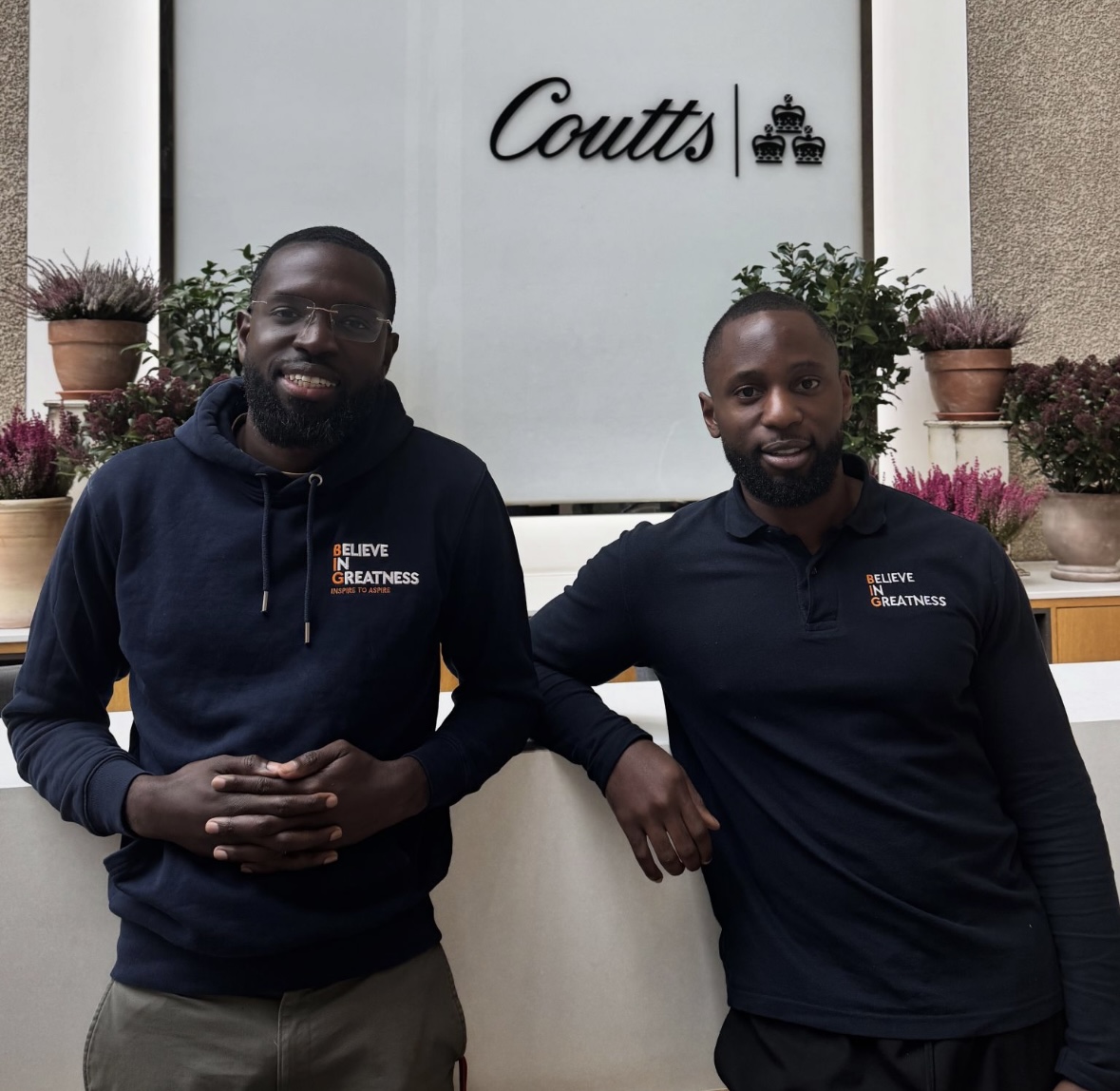
Our training with Coutts in October provided a unique window into how high-performing professionals think, communicate, and respond under pressure. The insights gathered from the exercises, live coaching, and post-training survey reveal important patterns about modern communication demands inside world-class financial institutions.
Below are the core insights from the programme.
1. Technical Excellence Does Not Automatically Equal Communication ConfidenceParticipants demonstrated strong domain expertise, but many shared a lack of confidence when articulating ideas verbally.
The gap was not knowledge. It was translating knowledge into clear, confident communication under time pressure.
Key signs observed:
-
Overthinking before answering questions
-
Relying on complex explanations instead of clear framing
-
Avoiding pauses due to fear of “losing the room”
Almost every participant identified one or more of the following habits:
-
Speaking faster than they intended
-
Using filler words when unsure (“um,” “so,” “you know”)
-
Rushing the start of a response
After training, many saw an immediate drop in filler words simply by applying short moments of silence and breath control.
3. Structure Drives InfluenceThe standout insight from the feedback was how much structure impacted confidence, clarity, and authority.
Participants shared that frameworks like:
-
Point — Reason — Example
-
Problem — Insight — Recommendation
-
Three Key Messages
helped them feel more in control and more concise, especially during Q&A or difficult conversations.
Multiple participants specifically mentioned structure as the most transformative element.
4. Leaders Wanted Practical, Not Theoretical, ToolsThe group appreciated techniques they could use immediately rather than abstract communication models.
The most valued tools were:
-
The silence-before-speaking method
-
Real-time feedback loops
-
Body language coaching
-
Script-free speaking exercises
-
Techniques for reducing mental load during delivery
Feedback repeatedly referenced the value of “simple, practical, actionable steps.”
5. Psychological Safety Accelerates GrowthParticipants opened up quickly, experimented without hesitation, and pushed themselves through discomfort because the environment felt safe.
Observed behaviours:
-
People volunteered early
-
They applied corrections instantly
-
They sought feedback proactively
-
They supported their peers’ improvement
This allowed confidence gains to compound in a short space of time.
6. Body Language Remains an Underrated SkillEven highly capable professionals admitted they rarely think about:
-
Gesture intention
-
Posture
-
Eye contact duration
-
Physical presence during delivery
Yet, when coached even slightly, their confidence and clarity increased instantly.
7. Communication Is Seen as a Growth PrioritySeveral participants commented that communication should be formally taught within organisations, not left to chance.
From the survey:
-
All satisfaction scores were 10/10
-
All recommendation scores were 10/10
-
Comments highlighted the need for more sessions like this
This indicates a strong awareness that communication is no longer a “nice-to-have” skill but a performance driver.
8. Small Adjustments Produce Big ResultsPerhaps the strongest insight was how quickly performance improved.
Within one session, participants:
-
Reduced filler words
-
Slowed down their pace
-
Delivered clearer messages
-
Demonstrated stronger executive presence
-
Answered questions with more control
This reinforces the idea that communication improvement is not a long journey. It begins with small, high-quality interventions.
What This Means for Future DevelopmentThe insights from Coutts highlight a clear opportunity:
Professionals have the knowledge. They simply need the tools to express it confidently.
The October training showed that when you combine:
-
Practical coaching
-
Safe environments
-
Clear structures
-
Immediate feedback
The transformation is fast and measurable.
Reach out if the training would prove valuable to you or your team.
Gordon is the co-founder of Leadership Communication Group, where he helps individuals and teams strengthen their communication, build confidence, and perform under pressure. His work combines…


AI Agents, Power Platform
AI-Powered Solutions. Global Reach. Future-Ready Delivery
At SA Technologies Inc., we’re not just building technology, we’re shaping the future of how businesses innovate,…

More Articles
Health and safety seminar 24th September 2026
Health and safety seminar 24th September 2026 at Ollerton Pumping station.

Psychology, Performance, Productivity
Monday Morning Thinking Tip: Shift Your Mental Lens
Monday Morning Thinking Tip: Shift Your Mental Lens
Everything is a problem. That’s the default mindset for most…